Blogs

The Comfort of Connection: Why Cozy Gifts Like Blankets Strengthen Business Relationships

Blogs

The Comfort of Connection: Why Cozy Gifts Like Blankets Strengthen Business Relationships

by Lauren Lash on Sep 23 2025
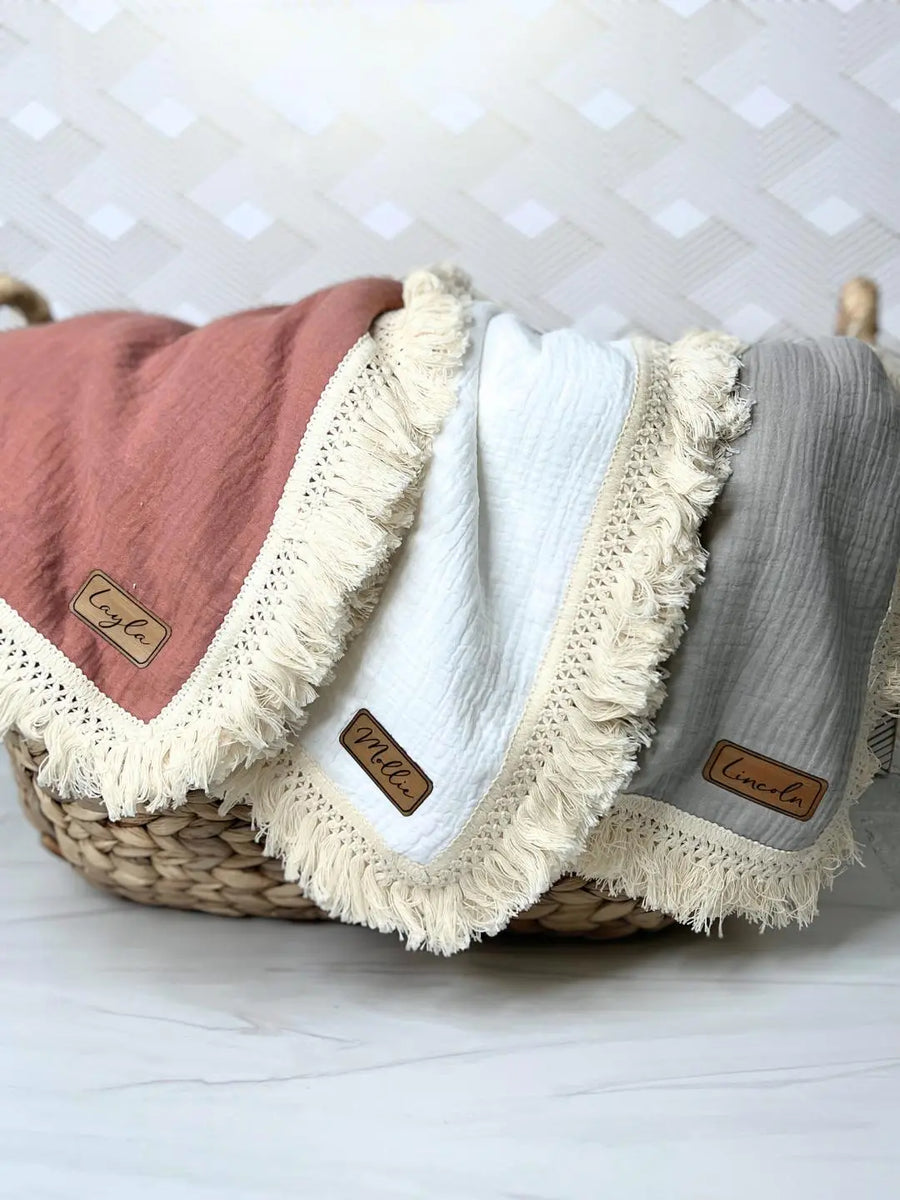
In the fast-paced world of business, it can be easy to forget that relationships are built on human connection. Behind every signed contract or closed deal are people who want to feel recognized, valued, and appreciated. This is why gifting plays such an important role in B2B relationships. While many corporate gifts are chosen for utility or novelty, some of the most impactful gifts are those that bring comfort. Few items do this better than a high-quality blanket. A blanket is more than just a useful household item. It is a universal symbol of warmth, care, and security. When thoughtfully given, it sends a powerful message: we want you to feel valued and comfortable in this relationship. Why Blankets Are a Unique Corporate Gift In the world of corporate gifting, items like pens, mugs, or notebooks are common. While they serve a purpose, they rarely leave a lasting impression. A blanket, on the other hand, stands out for several reasons. Practicality: Blankets are useful to nearly everyone. Unlike some niche items, they do not risk being forgotten in a drawer. Versatility: They can be given to clients, employees, or business partners across industries and cultures. Timelessness: Blankets are not tied to trends or fads. They are consistently appreciated and rarely go out of style. Symbolism: A blanket conveys warmth, care, and connection, values that resonate deeply in professional relationships. By gifting a blanket, businesses are not just sending an object. They are sending comfort that can be felt every day. The Psychology Behind Cozy Gifting Psychologists often speak about the connection between physical comfort and emotional wellbeing. Gifts that evoke comfort create feelings of safety and trust, which are cornerstones of strong relationships. Emotional Association: When a client or employee wraps themselves in a blanket you have given, they experience comfort linked to your brand. This builds positive association over time. Personal Connection: Unlike many corporate gifts, blankets cross into personal life. They are used at home, with family, during rest. This blurs the line between professional appreciation and personal care. Longevity: A high-quality blanket can last for years. Each time it is used, it becomes a subtle reminder of the relationship and the thoughtfulness behind it. In short, blankets bridge the gap between practicality and emotional resonance. Use Cases for Blankets in Corporate Gifting Blankets can be strategically used in a variety of contexts to enhance both client and employee relationships. Client Appreciation Sending a blanket to a long-term client communicates loyalty and gratitude. It is a way to recognize the comfort and stability they bring to your business. Employee Recognition Blankets are ideal for employee gifts, especially when tied to wellness initiatives. They encourage rest and self-care, showing that you value employees beyond their work output. Event or Milestone Gifts For product launches, anniversaries, or project completions, blankets serve as memorable keepsakes. They mark the occasion in a way that is both celebratory and enduring. Onboarding For new hires or clients, a blanket can serve as a cozy welcome gift. It sets the tone for the relationship, sending the message that you want them to feel comfortable and at home from the very start. Case Study – A Blanket That Became a Relationship Symbol A mid-sized consulting firm wanted to thank its top 20 clients at the end of the year. Instead of sending branded pens or standard gift baskets, they chose to send premium blankets, each embroidered with the client’s initials. Months later, clients mentioned how the blankets had become a staple in their homes and offices. One client even remarked that every time they sat down with the blanket after a long day, they thought of the consulting team that had gone the extra mile. The investment was similar to previous years, but the impact was dramatically higher. The blankets became not just gifts but symbols of trust and comfort in the business relationship. How to Personalize Blanket Gifting The real power of gifting blankets lies in personalization and presentation. Monograms and Initials: Adding the recipient’s initials or name makes the blanket uniquely theirs. Tasteful Branding: Subtle company branding can work if it complements rather than overshadows the gift. Elegant Packaging: Presentation matters. A beautifully wrapped blanket with a handwritten card turns a practical item into an experience. Pairing Items: Pairing a blanket with a set of teas, a book, or a wellness kit enhances the gift and creates a complete moment of comfort. Personalization transforms the blanket from a simple object into a memory. Why Blankets Resonate Across Cultures One of the challenges of corporate gifting is cultural appropriateness. Certain items may not work in every cultural context, but blankets are nearly universal. In many cultures, gifting items tied to warmth and comfort is seen as a gesture of goodwill. Because they are practical and symbolic, blankets avoid many of the pitfalls of gifting across borders. They carry a message that transcends language: we want you to feel cared for. The ROI of Cozy Gifting Like any corporate gifting strategy, the question of return on investment matters. Blankets provide ROI in both tangible and intangible ways. Retention: Clients who feel valued are more likely to stay loyal. A thoughtful gift like a blanket reinforces this loyalty. Referrals: A gift that sparks conversation can lead to referrals. Blankets often get noticed in homes or offices, creating natural word-of-mouth. Employee Engagement: Recognized employees are more engaged and less likely to leave. A comfort-oriented gift shows you care about their wellbeing. Brand Perception: Thoughtful gifts elevate your brand, signaling that you value relationships over transactions. Final Thoughts Blankets may seem simple, but their impact is anything but. They are practical, versatile, timeless, and deeply symbolic. When given thoughtfully, they communicate warmth, care, and connection in ways that other corporate gifts cannot. In a business world where relationships drive growth, gifts that evoke comfort can make all the difference. A blanket is more than a piece of fabric. It is a message of appreciation, a reminder of partnership, and a symbol of trust.
Building a Multi Touch Gifting Strategy for Client Journeys

Blogs

Building a Multi Touch Gifting Strategy for Client Journeys

by Lauren Lash on Sep 18 2025
In B2B relationships, the client journey is rarely a straight line. It begins with introductions, develops through trust, and grows into long-term collaboration. Along the way, there are milestones, transitions, and opportunities to show appreciation. Too often, businesses treat gifting as a one time event, usually during the holidays. While holiday gifts are appreciated, limiting your strategy to a single occasion misses the chance to create ongoing touchpoints that strengthen the relationship year round. A multi touch gifting strategy ensures that appreciation is felt at every stage of the client journey. It transforms gifting from a seasonal gesture into a consistent tool for trust, loyalty, and partnership. Understanding the Client Journey Before building a gifting strategy, it is important to map out the stages of your client journey. While every business is unique, most B2B relationships follow a similar flow: Prospecting and Onboarding – First impressions and introductions. Early Collaboration – Establishing trust and momentum. Growth and Milestones – Celebrating shared success. Renewal or Expansion – Reinforcing loyalty and encouraging new opportunities. Long Term Partnership – Sustaining and deepening trust. A multi touch gifting strategy aligns with these stages, ensuring that gifts are timely, relevant, and strategic. Stage 1: Prospecting and Onboarding The early stages of a relationship set the tone. A thoughtful welcome gift can turn a new client into an engaged partner. It shows that you value the relationship from the very beginning. Examples: Personalized notebooks or desk accessories to mark the start of collaboration. A curated welcome package with a handwritten note. A practical item that connects to your brand’s values, such as an eco-friendly kit. The goal here is to establish warmth and professionalism, making clients excited about what comes next. Stage 2: Early Collaboration During the first projects or months of working together, the focus is on building trust. This is an opportunity to reinforce that you are attentive and invested. Examples: A small, thoughtful gift after the first project milestone. An experience such as a virtual coffee voucher to encourage informal conversation. A gesture that reflects something you learned about the client in early meetings. This stage is about showing attentiveness and demonstrating that you listen. Stage 3: Growth and Milestones As the relationship develops, milestones become important markers. These may include completing major projects, achieving shared goals, or hitting company anniversaries. Celebrating these moments strengthens the bond. Examples: A congratulatory gift tied to the milestone, such as a team treat for the client’s office. A personalized keepsake that reflects the shared success. A thoughtful acknowledgement paired with a handwritten note of recognition. Milestone gifts remind clients that their achievements are seen and celebrated, not just their transactions. Stage 4: Renewal or Expansion When contracts are up for renewal or new opportunities are being explored, gifts can play a subtle but meaningful role. A well timed gift reinforces loyalty and shows appreciation for the ongoing relationship. Examples: A tailored gift that acknowledges the length of the relationship. A simple but meaningful gesture that arrives just before renewal discussions. A token of appreciation that highlights the partnership, not the transaction. The goal here is not to “buy” loyalty but to remind clients of the care and attention that has defined the relationship. Stage 5: Long Term Partnership For clients who have been with you for years, gifting becomes about deepening trust and continuing to nurture the relationship. Consistency matters here. Examples: Annual gestures that mark the longevity of the partnership. Personalized items that reflect shared history. Occasional surprise gifts that bring delight and show ongoing attentiveness. Long term gifting strategies create a narrative of care that stretches across years, making the relationship feel less like a contract and more like a collaboration. The Power of Multiple Touchpoints Why does a multi touch gifting strategy work so well? Because it mirrors the rhythm of the relationship. Every gift becomes a marker of connection, reinforcing that your business is present and invested. Consistency builds trust: Regular touchpoints show reliability. Personalization deepens connection: Each gift can reflect what you have learned along the way. Surprise creates delight: Occasional unexpected gestures make the relationship feel fresh. Instead of being forgotten after a single holiday, your company remains present throughout the year in a meaningful way. Case Study – Turning a Client into a Partner A professional services firm developed a multi touch gifting strategy for one of its top accounts. At onboarding, they sent a personalized welcome kit. After the first project milestone, they followed up with a handwritten thank you card and a small token. At the one year anniversary, they sent a curated gift that acknowledged the client’s achievements. Before renewal, they surprised the client’s team with a celebratory package. The result was a deepened partnership that led to contract expansion and additional referrals. The client described the firm as not just a vendor but a trusted ally. Best Practices for Building a Multi Touch Strategy Map gifts to journey stages: Do not leave timing to chance. Align gifts with meaningful touchpoints. Balance consistency and spontaneity: Plan regular gestures but leave space for surprises. Personalize at every stage: Even small touches like initials or references to shared projects make an impact. Keep compliance in mind: Ensure gifts respect industry or client policies. Measure impact: Track how gifting influences retention, renewals, and referrals. The Long Term ROI of Multi Touch Gifting A multi touch gifting strategy is not just about being generous. It is about being strategic. By embedding gifting into the client journey, you create multiple opportunities to strengthen trust, build loyalty, and encourage advocacy. The return on investment is clear: Higher retention rates. Stronger referrals. Increased client lifetime value. What starts as a simple gesture evolves into a long term relationship advantage. Final Thoughts Corporate gifting is most powerful when it is consistent, intentional, and aligned with the client journey. A single holiday gift is appreciated, but a series of thoughtful touchpoints creates a narrative of care and commitment that lasts for years. A multi touch gifting strategy is about more than giving items. It is about giving attention, building trust, and creating memories at every stage of the relationship. That is how businesses move from vendors to true partners.  
Measuring Impact: How to Track the Success of Your Gifting Strategy

Blogs

Measuring Impact: How to Track the Success of Your Gifting Strategy

by Lauren Lash on Sep 17 2025
Corporate gifting is often seen as a soft investment, something nice to do but difficult to measure. Yet in today’s business environment, every strategy is expected to show results. Leadership teams want to know: Does gifting deliver a return? The answer is yes, but only if you track the right metrics. A thoughtful gifting strategy can improve client retention, increase referrals, and strengthen employee engagement. Measuring these outcomes turns gifting from a cost center into a proven business driver. This article explores how businesses can measure the impact of corporate gifting and demonstrate the tangible value it brings. Defining Success in Corporate Gifting Before you can measure impact, you need to define what success looks like for your organization. Goals may differ depending on whether you are focusing on clients, employees, or partners. For clients: stronger relationships, repeat business, referrals. For employees: improved morale, engagement, and retention. For partners: smoother collaboration, loyalty, and trust. Clarity on goals ensures you track metrics that matter rather than vanity numbers. Key Metrics for Client-Facing Gifting 1. Client Retention Rates One of the clearest signs that gifting is working is client retention. When clients feel valued, they are more likely to renew contracts and less likely to entertain competitors. Track renewal rates among clients who receive gifts compared to those who do not. 2. Referral Frequency A thoughtful gift can spark conversations. Clients who feel appreciated are more likely to recommend your company to peers. Monitor how many referrals are generated after key gifting campaigns. 3. Engagement After Gifting Notice changes in how clients respond after receiving gifts. Do they reply faster to emails? Do they schedule more follow-up meetings? These micro-signals can add up to significant long-term value. 4. Net Promoter Score (NPS) Survey clients periodically and compare scores across those who have been part of gifting campaigns versus those who have not. Gifts often improve overall brand sentiment. Key Metrics for Employee-Focused Gifting 1. Employee Retention and Turnover Retention is one of the biggest cost drivers for businesses. Tracking whether employee turnover decreases after implementing a gifting program can show the value of recognition and appreciation. 2. Engagement Survey Scores Many organizations run quarterly or annual engagement surveys. Look for positive changes in questions related to recognition, culture, and morale. 3. Participation in Programs If gifts are tied to wellness initiatives, learning opportunities, or team activities, track participation rates. Higher engagement suggests the gifts are doing their job. Tracking ROI on Gifting Programs While emotional benefits are important, financial ROI matters too. To calculate ROI, compare the total investment in gifting against measurable outcomes such as increased renewals, higher employee retention, or greater lifetime value of clients. For example: A $10,000 gifting investment that results in three contract renewals worth $100,000 each shows clear ROI. A wellness gifting initiative that reduces turnover by even 5 percent can save thousands in recruitment and training costs. By connecting gifting directly to business outcomes, you move the conversation from “nice to have” to “essential.” The Role of Feedback in Measuring Impact Numbers tell part of the story, but feedback provides context. Encourage recipients to share their reactions through surveys, thank-you notes, or informal conversations. Questions to ask include: Did the gift make you feel appreciated? Did it strengthen your connection with the company? Was it relevant and meaningful? Qualitative feedback can help you refine your strategy and improve future campaigns. Technology Tools for Tracking Success Modern technology makes it easier to measure gifting impact. Platforms now allow businesses to: Track gift delivery and redemption rates. Collect feedback automatically. Integrate gifting data with CRM systems to monitor client engagement. Compare performance across different campaigns. By leveraging technology, you can move beyond guesswork and gain real insight into what works. Case Study – Proving ROI Through Data A consulting firm wanted to prove the value of its gifting program. They segmented clients into two groups: one received carefully personalized gifts, the other did not. Over 12 months, the firm tracked retention, referrals, and client engagement. The results were clear. The group that received gifts had a 20 percent higher renewal rate, generated twice as many referrals, and reported greater satisfaction on feedback surveys. By connecting these results to revenue, the firm demonstrated that the gifting program was not just an expense but a revenue driver. Common Mistakes in Measuring Gifting Impact Focusing only on short-term results: The benefits of gifting often appear over months or years, not days. Tracking only financial ROI: Emotional and relational outcomes are equally important. Ignoring segmentation: Not all clients or employees respond the same way. Segmenting helps reveal true patterns. Failing to gather feedback: Numbers without context can lead to misleading conclusions. Best Practices for Measuring Success Start with clear goals: Know whether you are aiming for retention, referrals, or engagement. Combine quantitative and qualitative data: Balance hard metrics with feedback. Use technology wisely: Leverage tools that integrate with existing systems. Review regularly: Evaluate outcomes after each campaign and refine your approach. Share results internally: Show leadership how gifting contributes to measurable success. Final Thoughts Corporate gifting is much more than a goodwill gesture. When done thoughtfully, it creates measurable business value. The key is to define goals, track the right metrics, and listen to feedback. By approaching gifting with the same rigor as other business strategies, you can prove its impact, secure leadership buy-in, and ensure your efforts deliver results for years to come.
The Compliance Factor: Navigating Rules and Policies in Corporate Gifting

Blogs

The Compliance Factor: Navigating Rules and Policies in Corporate Gifting

by Lauren Lash on Sep 11 2025
Corporate gifting has the power to build trust, strengthen relationships, and create positive impressions. Yet in some industries, the wrong gift can have the opposite effect. What is intended as a thoughtful gesture may inadvertently cross a compliance line, risking reputational harm or even regulatory penalties. In today’s business environment, compliance is more than a box to check. It is about demonstrating integrity, respecting boundaries, and showing that your company understands the rules that govern professional relationships. When gifting is approached with compliance in mind, it can still be meaningful while protecting both sides of the partnership. Understanding Industry-Specific Regulations Different industries have different rules about what is acceptable in corporate gifting. Knowing these nuances is critical for businesses that want to protect trust while still engaging in thoughtful gestures. Finance Financial institutions often face strict regulations around gifts and entertainment. Many limit the value of what can be given or require that all gifts be reported internally. A gift that seems harmless in another industry might raise red flags here. Healthcare In healthcare, compliance rules are particularly complex. Pharmaceutical and medical device companies, for example, are subject to regulations that restrict gifts to physicians or healthcare providers. Even small tokens may be scrutinized to ensure they do not create conflicts of interest. Government Working with government officials requires an especially careful approach. Many agencies prohibit gifts altogether, while others impose strict caps on value. The perception of influence must be avoided at all costs. Understanding these boundaries is not just about avoiding fines or legal trouble. It is about protecting your reputation as a trustworthy business partner. Company Policies and Internal Guidelines Even outside of regulated industries, many organizations have their own internal policies on gifting. These guidelines may limit the value of gifts, prohibit certain categories, or require employees to report what they receive. Before sending a gift, it is always wise to check whether the recipient’s company has an established policy. In some cases, asking directly shows respect and avoids awkward situations. A thoughtful gesture loses its impact if it creates discomfort or must be returned. Balancing Compliance with Thoughtfulness Compliance does not mean abandoning creativity or warmth. It simply means operating within boundaries. The most memorable gifts often come from thoughtfulness rather than cost. When high-value gifts are restricted, consider alternatives: Personalized stationery or office items that are practical yet tasteful. Educational resources such as books or professional development opportunities. Charitable donations made in the client’s name to a cause they care about. Shared experiences like team-building workshops that provide value without violating policy. The key is to show appreciation in a way that is personal and meaningful while staying comfortably within the rules. Case Study – A Compliance-Friendly Gift Done Right A technology vendor wanted to thank a financial services client for their partnership. Industry rules limited gifts to under a certain dollar amount. Instead of sending an expensive item, the vendor created a personalized desk accessory engraved with the client’s initials and paired it with a handwritten note of appreciation. The client later commented that the gesture felt more thoughtful than anything they had received that season. The gift respected compliance rules, yet it still made a lasting impression. This example shows that when compliance is taken seriously, it does not limit creativity. Instead, it encourages businesses to think more intentionally about what will truly resonate. Common Pitfalls to Avoid 1. Ignoring Regional Differences International gifting requires awareness of both local laws and cultural norms. What is acceptable in one country may be restricted in another. 2. Assuming Policies Are the Same Everywhere Even within the same industry, company policies can differ. Never assume that one client’s rules apply to another. 3. Over-branding Gifts Adding a large logo may seem safe, but it can make gifts feel promotional rather than personal. In regulated industries, this may even raise questions about intent. 4. Failing to Document Without clear documentation, even compliant gifts can appear questionable. Tracking spending and recording details protects both sides. Best Practices for Compliance-Friendly Gifting Know the Limits: Research industry regulations and ask clients about their internal policies. Keep Value Modest: Even when not required, modest gifts reduce the risk of being misinterpreted. Prioritize Usefulness: Practical gifts are less likely to raise concerns. Personalize Thoughtfully: A personal touch adds impact without increasing cost. Consider Alternatives: Donations, experiences, or learning resources can be safe and appreciated choices. Document Everything: Keep records of what was given, to whom, and when. By following these practices, businesses can remain compliant while still sending a message of appreciation and care. The Opportunity in Boundaries At first, compliance may feel like a limitation. But in reality, it is an opportunity. Boundaries encourage creativity and intention. When expensive or extravagant items are off the table, the focus shifts to thoughtfulness and meaning. This can actually elevate gifting, making it more authentic. Instead of defaulting to luxury items, businesses can explore personal touches, experiences, or socially responsible options that create real connection. Final Thoughts Corporate gifting will always play a role in business, but in industries with strict rules, compliance is essential. Thoughtful gifts that respect boundaries build trust instead of risking it. They show that your business understands the importance of integrity and values relationships above transactions. The most memorable gifts are not the most expensive. They are the ones that feel personal, genuine, and respectful. By embracing compliance as part of your gifting strategy, you can create gestures that strengthen partnerships while protecting your reputation.  
The Future of Corporate Gifting: Trends Shaping 2026 and Beyond

Blogs

The Future of Corporate Gifting: Trends Shaping 2026 and Beyond

by Lauren Lash on Sep 09 2025
Corporate gifting has always been about building relationships. A thoughtful gift has the power to say thank you, create goodwill, and strengthen trust between companies. But in today’s world, gifting is no longer just a nice gesture. It is becoming a strategic tool that reflects brand values, supports client retention, and contributes to long-term loyalty. The landscape is shifting quickly. Advances in technology, growing emphasis on sustainability, and changes in workplace culture are all shaping how businesses approach gifting. As we look ahead to 2026 and beyond, it is clear that gifting strategies will need to evolve to remain effective. Trend 1 – Sustainability as the Standard Sustainability is no longer a trend. It is an expectation. Businesses across industries are being evaluated not only on what they do but also on how responsibly they operate. Corporate gifts are part of that equation. Clients and employees are increasingly conscious of the environmental impact of the products they receive. They want to know whether items are made from sustainable materials, ethically sourced, and packaged in eco-friendly ways. A gift wrapped in layers of plastic is less likely to spark joy and more likely to spark concern. Forward-looking companies are already making the shift: Choosing recycled, biodegradable, or reusable materials. Partnering with brands that use fair trade practices. Offering gifts that support social causes, such as donations tied to each purchase. By 2026, sustainable gifting will not just be admired. It will be expected. Businesses that ignore this shift risk appearing out of touch with their clients’ values. Trend 2 – Hyper-Personalization with Technology Personalization has always been the secret ingredient in memorable gifting. But technology is taking personalization to new levels. With the rise of AI and data-driven insights, companies can now tailor gifts with incredible precision. Imagine being able to send a client a gift that aligns perfectly with their hobbies, favorite colors, or even their wellness goals, all based on preferences collected during onboarding or past interactions. Personalization goes far beyond adding a name or logo. It is about showing that you truly understand the recipient. By 2026, businesses will increasingly use technology to power hyper-personalization. Some will use algorithms to recommend gifts, while others will use digital platforms that allow recipients to choose from curated options. The key will be combining the efficiency of technology with the authenticity of human touch. Trend 3 – Experiential Gifting Physical gifts will always have a place, but experiences are becoming just as important. Research shows that experiences create stronger and longer-lasting memories than material possessions. Businesses are catching on. Experiential gifting might include: Virtual cooking or art classes for remote teams. Tickets to a cultural event or sporting match. Wellness experiences such as yoga sessions or mindfulness retreats. Even in digital formats, experiences can be powerful. A client who participates in a shared virtual event will remember the interaction long after the experience has ended. By 2026, more companies will be blending traditional gifts with experiences, giving recipients both something to enjoy in the moment and something to keep as a memento. Trend 4 – Blending Digital and Physical Gifts The rise of remote work and global business relationships has accelerated the need for flexibility in gifting. Digital gifts such as e-gift cards, subscriptions, or charitable donations provide convenience and speed. Physical gifts, however, provide emotional impact. The future will be about blending the two. For example, a business might send a digital gift card paired with a physical handwritten note. Or they might combine a subscription service with a physical item that complements it. This hybrid approach ensures that gifts are both practical and personal, especially for global teams and clients spread across multiple locations. By 2026, hybrid gifting will likely become the norm. It allows companies to stay adaptable while still creating meaningful connections. Trend 5 – Gifting as Part of Employee Wellbeing The future of corporate gifting is not only about clients. It is also about employees. The last few years have underscored the importance of wellbeing in the workplace. As a result, companies are rethinking how they use gifting to support, motivate, and care for their teams. Wellness-focused gifts are becoming more common. These include items like ergonomic desk accessories, mindfulness kits, or wellness subscriptions. The message is clear: businesses are investing in their people not only as workers but as whole individuals. By 2026, corporate gifting will increasingly overlap with employee engagement strategies. Companies that prioritize the wellbeing of their employees through thoughtful gestures will gain a stronger reputation as employers of choice. What These Trends Mean for B2B Relationships Each of these trends points to the same conclusion: gifting is no longer about handing out items. It is about making a statement. A sustainable gift shows respect for the environment and social responsibility. A personalized gift shows attentiveness and care. An experiential gift creates shared memories. A digital gift shows flexibility in a global business world. An employee-focused gift shows that people are at the heart of your organization. When businesses adopt these practices, they send a clear signal that they value relationships on a deeper level. This is what will separate companies that thrive in 2026 from those that fall behind. Final Thoughts The future of corporate gifting is personal, purposeful, and strategic. It will not be about handing out bulk items or checking a box at the end of the year. Instead, it will be about creating meaningful connections that align with evolving values and expectations. By embracing sustainability, personalization, experiences, digital integration, and employee wellbeing, businesses can transform gifting into a powerful tool for building trust, loyalty, and long-term partnerships. Now is the time to look ahead. The companies that adapt their gifting strategies today will be the ones shaping the business relationships of tomorrow.  
From Transaction to Trust: How Corporate Gifting Strengthens Partnerships Over Time

Blogs

From Transaction to Trust: How Corporate Gifting Strengthens Partnerships Over Time

by Lauren Lash on Sep 04 2025
In business, every relationship begins with a transaction. A contract is signed, services are delivered, and outcomes are expected. But the strongest and most enduring partnerships go beyond the transaction. They are built on trust, loyalty, and mutual respect. Corporate gifting, when done thoughtfully, is one of the most powerful tools to move relationships from transactional to truly trusted. It creates memorable moments, reinforces appreciation, and signals that the connection is valued for the long term. In this article, we explore how gifting can strengthen partnerships at every stage, turning everyday business relationships into enduring collaborations. Why Trust Matters in B2B Relationships Trust is the foundation of every successful business partnership. Without it, relationships remain surface-level, vulnerable to competitors, and transactional in nature. With it, partnerships deepen, communication improves, and collaboration thrives. Trust is not built overnight. It develops through consistent actions that show care, reliability, and appreciation. Corporate gifting is one way to reinforce these actions in a tangible and meaningful way. The Role of Gifting in Strengthening Partnerships Gifts serve as physical reminders of the relationship. They go beyond words, providing evidence of thoughtfulness and investment. A well-timed and well-chosen gift can: Celebrate milestones such as anniversaries, project completions, or renewals. Show appreciation for collaboration and trust. Create positive associations with your brand every time the gift is used or displayed. Signal commitment to a long-term partnership, not just the current deal. Partnerships Grow Through Touchpoints The strongest business relationships are not built on a single interaction but on a series of touchpoints over time. Gifting can strategically support these touchpoints, ensuring the relationship stays warm and engaged. 1. The Beginning of the Relationship A thoughtful welcome gift sets the tone, creating a positive first impression that frames the entire partnership. 2. Milestones Along the Way Acknowledging milestones such as anniversaries, product launches, or joint successes shows attentiveness and shared pride. 3. Renewal and Retention Moments At renewal time, a personalized gift can reinforce appreciation and tip the scales toward loyalty. 4. Unexpected Gestures Surprise gifts, sent outside of standard occasions, create delight and demonstrate genuine care. Each of these touchpoints builds on the last, gradually strengthening trust. Case Study: Building Loyalty Over Time A software company worked with a client on an annual subscription model. In the first year, they sent a welcome gift to mark the beginning of the relationship. In the second year, they celebrated the renewal with a gift tailored to the client’s team, acknowledging their collaborative success. In the third year, they surprised the client with a thoughtful gift during a major product launch, congratulating them on their achievement. By the fourth renewal, the client described the vendor as a true partner, not just a service provider. The consistent, thoughtful gestures had built a foundation of trust and loyalty that went far beyond the original contract. Why Consistency Matters More Than Grandeur The most effective gifting strategies are consistent, not extravagant. A single expensive gift may impress temporarily, but it is regular, thoughtful gestures that build lasting trust. Consistency shows reliability, which is one of the cornerstones of trust in B2B. It communicates that the appreciation is genuine and ongoing, not just a tactic used when it is convenient. The Emotional Impact of Long-Term Gifting Psychologically, gifts act as markers in the timeline of a relationship. They highlight important events and add emotional significance to moments that might otherwise pass unnoticed. Over time, these markers accumulate, creating a narrative of care and attentiveness. Clients and partners who feel consistently valued are more likely to stay loyal, recommend your services, and see you as more than just another vendor. How to Build a Long-Term Gifting Strategy 1. Map Out Relationship Touchpoints Identify key moments in the client journey where a gift would be meaningful. These may include onboarding, anniversaries, renewals, or milestones. 2. Personalize Whenever Possible Small details, such as initials, colors, or references to shared experiences, create emotional impact. 3. Align with Your Brand Identity Choose gifts that reinforce your values. If you value sustainability, choose eco-conscious gifts. If innovation is central to your brand, select modern, cutting-edge items. 4. Balance Consistency and Surprise Have a predictable rhythm for major touchpoints while leaving room for occasional surprises. This combination reinforces reliability while still delighting. 5. Monitor Feedback and Adjust Pay attention to how clients react to gifts. Their responses can guide future choices and improve the effectiveness of your strategy. Case Study: From Vendor to Partner A mid-sized marketing agency was initially seen by a client as just one of several vendors. Over three years, the agency used gifting as part of its relationship strategy. Year 1: A welcome gift at the beginning of the partnership. Year 2: A milestone gift when the client reached a major sales target. Year 3: A surprise appreciation gift sent to the client’s office team. By the end of the third year, the client’s leadership described the agency as a trusted partner. When competitors tried to pitch their services, the client stayed loyal, citing the agency’s consistent attentiveness and the strength of their relationship. The Business Value of Trust-Building Moving from transaction to trust has measurable business benefits: Higher retention rates: Loyal clients are less likely to switch to competitors. Greater lifetime value: Long-term clients often expand contracts and bring repeat business. Stronger referrals: Clients who feel valued are more likely to recommend your services. Easier collaboration: Trusted relationships lead to smoother communication and better outcomes. Corporate gifting plays a key role in creating the emotional and psychological environment where these benefits can thrive. Final Thoughts In B2B, transactions start relationships, but trust sustains them. Corporate gifting, when done thoughtfully and consistently, is a proven way to move relationships beyond contracts and into the realm of true partnership. It is not about the size of the gift, but the sincerity behind it and the consistency with which it is given. Over time, those small gestures become the building blocks of loyalty, trust, and collaboration that last for years.
The Hidden Cost of Generic Gifting: Why One Size Fits All Fails in B2B

Blogs

The Hidden Cost of Generic Gifting: Why One Size Fits All Fails in B2B

by Lauren Lash on Sep 02 2025
In business, gifting has long been used as a way to say thank you, strengthen relationships, and build loyalty. Yet not all gifts achieve these goals. In fact, generic gifts can sometimes do more harm than good. A one size fits all approach may seem efficient, but it risks sending the wrong message. Instead of making a client or partner feel valued, it can leave them feeling overlooked or even underappreciated. In B2B relationships, where trust and loyalty are critical, the hidden cost of generic gifting is lost opportunity. This article explores why generic gifting fails in professional settings, the risks it creates, and how intentional, thoughtful gifting can build stronger and longer-lasting partnerships. Why Businesses Default to Generic Gifting Generic gifting is appealing because it is simple. Companies can order items in bulk, apply their logo, and send them to a large list of clients or employees. On the surface, this saves time, money, and effort. However, convenience often comes at the expense of meaning. Recipients can tell when a gift has been chosen without consideration for their individual preferences, interests, or values. What was intended to build connection can instead feel transactional. The Risks of a One Size Fits All Approach 1. Missed Emotional Connection A generic gift does not speak to the recipient personally. Without personalization, there is no story, no memory, and no emotional tie. In B2B, relationships are often strengthened through emotional connection, and generic gifts miss this opportunity. 2. Damaged Brand Perception Clients and partners often see your gifts as a reflection of your company. If the gift feels thoughtless or low quality, it can unintentionally signal that your service or product lacks attention to detail. 3. Wasted Investment A gift that does not resonate is often discarded or forgotten. The financial investment then provides little to no return. Worse, it could be remembered for the wrong reasons. 4. Competitive Disadvantage In industries where competitors are fighting for the same clients, a generic gift makes it easy to blend into the crowd. A thoughtful, personalized gift, on the other hand, sets your business apart. Case Study: When Generic Gifts Backfired A financial firm decided to send all of its top 50 clients the same branded calendar for the holidays. The intention was to stay visible on clients’ desks year-round. Instead, the reaction was disappointing. Several clients remarked that they received the exact same calendar from multiple companies, and one even joked about how impersonal the gesture felt. In the following year, the firm chose to curate smaller, tailored gifts based on each client’s interests. The response was dramatically different. Clients mentioned the thoughtfulness in meetings, and several even shared photos of their gifts with colleagues. The cost was similar, but the impact was far greater. Why Thoughtful Gifting Works Better 1. It Creates Memorability A carefully chosen gift that reflects the recipient’s interests or values creates a lasting impression. It shows that your company listens, observes, and cares. 2. It Builds Trust Thoughtful gifting demonstrates intentionality. It signals that you are invested in the relationship, not just the transaction. 3. It Strengthens Loyalty When people feel genuinely appreciated, they are more likely to stay loyal. In B2B, where client retention is often more valuable than acquisition, loyalty is everything. How to Avoid Generic Gifting in B2B 1. Segment Your Recipients Not every client or employee needs the same type of gift. Segment your recipients by industry, role, or relationship stage to tailor your approach. 2. Focus on Personalization Even small touches, like adding initials or referencing shared experiences, can transform a gift from generic to meaningful. 3. Choose Quality Over Quantity One well-made, thoughtful gift is more impactful than a box of bulk items that will be quickly discarded. 4. Align with Your Brand Values Gifts should reinforce the story of who you are as a company. If your brand values sustainability, choose eco-conscious gifts. If your brand emphasizes innovation, look for items that are modern and forward-thinking. 5. Listen to Your Clients The best ideas often come from casual conversations. Pay attention when clients mention hobbies, favorite foods, or meaningful traditions. These small insights can guide you toward a more thoughtful choice. Case Study: A Thoughtful Gift that Secured Renewals A marketing agency had several client contracts coming up for renewal. Instead of sending the same promotional item to all of them, the team created small, personalized packages for each client. One client, who had previously mentioned a love for cooking, received a set of artisan spices along with a recipe card. Another, who had a passion for cycling, received a sleek water bottle with their initials engraved. The result was overwhelming. Several clients mentioned the gifts during renewal meetings, noting how personal and thoughtful they felt. Every client in the group renewed, and some expanded their contracts. The Long-Term Value of Thoughtful Gifting Generic gifting might save time in the short run, but it creates hidden costs in missed opportunities and damaged perceptions. Thoughtful gifting, by contrast, delivers long-term value. It helps you stand out, creates positive emotional ties, and builds loyalty that directly supports your bottom line. When done right, gifting is not an expense. It is a strategic investment in the most valuable part of your business: your relationships. Final Thoughts One size fits all rarely works in business, and gifting is no exception. Generic gifts may be convenient, but they rarely make a meaningful impact. Thoughtful, intentional gifting tells your clients and partners that you see them as individuals and that you care about the relationship beyond the transaction. The true cost of generic gifting is not in the money spent. It is in the connections that were never strengthened, the loyalty that was never earned, and the opportunities that were lost.
Global Gifting Etiquette: How to Choose Corporate Gifts That Respect Cultural Traditions

Blogs

Global Gifting Etiquette: How to Choose Corporate Gifts That Respect Cultural Traditions

by Lauren Lash on Aug 27 2025
As businesses expand internationally, leaders find themselves navigating a wide variety of cultural practices. What feels like a thoughtful gift in one country might be seen as inappropriate or even offensive in another. In global business, gifting is not only a gesture of goodwill, it is a reflection of your awareness, respect, and professionalism. In this article, we will explore the importance of cultural sensitivity in corporate gifting. You will learn about key traditions in different parts of the world, common mistakes to avoid, and practical strategies to ensure your gifts leave a positive impression wherever your business takes you. Why Cultural Awareness Matters in Gifting In every culture, gifting carries symbolic meaning. The act of giving is rarely just about the physical object. It is about the relationship, the message, and the respect conveyed. When a gift is chosen without cultural awareness, it risks creating misunderstanding. On the other hand, a gift that honors tradition can elevate your reputation, deepen trust, and show that you value the partnership beyond the transaction. Simply put, culturally sensitive gifting is an investment in relationships that span borders. Regional Perspectives on Gifting Etiquette Asia Japan: Presentation is often as important as the gift itself. Neat, careful wrapping reflects thoughtfulness. Numbers also carry meaning. Sets of four are avoided because the number is associated with death, while sets of five or eight are considered lucky. China: Gifts are usually presented with two hands as a sign of respect. Clocks and white flowers should be avoided as they symbolize mourning. Red and gold packaging, however, is considered auspicious. India: Gifts are usually given with the right hand, as the left is considered less respectful. Sweets, fruits, and artisan items are common and appreciated. Avoid gifts made of leather when working with vegetarian or Hindu clients. Europe Western Europe: Luxury items, fine wines, or gourmet foods are well received. In Germany, practicality is appreciated, while in France, presentation and refinement matter greatly. Eastern Europe: Gifts are often exchanged at the start of relationships as a gesture of goodwill. Be mindful of color choices and numbers, as in some cultures odd numbers are preferred when giving flowers. Middle East Gifts are often exchanged in the context of hospitality. Always present gifts with the right hand or both hands. Avoid alcohol or pork products unless you are absolutely certain it is appropriate. High-quality items that demonstrate respect are particularly valued. North America Corporate gifting tends to focus on utility and personalization. Gifts that reflect thoughtfulness, rather than extravagance, are well received. Compliance rules may restrict certain industries, so always check guidelines before gifting. Latin America Personal relationships are highly valued, and gifts are a way of strengthening them. Colorful packaging is appreciated, and small, thoughtful gifts can make a big impact. Avoid overly utilitarian gifts, as warmth and personal connection are central to many business interactions. Common Mistakes to Avoid Ignoring symbolism: Certain colors, numbers, or items can have negative meanings in specific cultures. Over-branding: Adding a large company logo can make the gift feel impersonal or promotional. Subtle personalization is better. Overlooking compliance rules: Some industries or government partnerships limit the value of gifts. Failing to follow these rules can damage trust. Choosing generic items: A thoughtless or generic gift can feel transactional instead of genuine. The Role of Presentation In many cultures, how a gift is presented carries as much weight as the gift itself. Beautiful wrapping, a handwritten card, or presenting the gift with both hands shows intention and care. Even when the gift is modest, thoughtful presentation can create a strong impression. How to Choose the Right Gift for Global Clients Do your research: Spend time learning about the traditions and etiquette of the country you are engaging with. Prioritize quality over cost: A modest but well-made gift is better than something expensive but thoughtless. Be culturally sensitive: Avoid gifts that could be seen as inappropriate, such as alcohol in regions where it is not accepted. Personalize thoughtfully: Small touches like initials, meaningful colors, or references to shared experiences show you care. Consider timing: In some cultures, gifts are given at the start of relationships, while in others they are more appropriate after trust has been built. The Business Impact of Cultural Sensitivity When you show awareness of cultural traditions, you demonstrate more than courtesy. You show respect, humility, and a willingness to learn. These qualities are highly valued in international business and can set your company apart from competitors. By avoiding mistakes and embracing cultural sensitivity, your gifting strategy becomes more than a gesture. It becomes a strategic tool for building trust, earning loyalty, and sustaining global partnerships. Final Thoughts In an interconnected world, business is not only about contracts and performance metrics. It is about relationships. Gifts have the power to communicate values, respect, and care. When chosen with cultural awareness, they can bridge differences and strengthen bonds. Corporate gifting across cultures is not about following a checklist. It is about genuine respect. With research, thoughtfulness, and care, you can turn a simple gesture into a meaningful connection that supports lasting success.  
The Psychology of Gifting: Why Thoughtful Gestures Build Lasting Business Relationships

Blogs

The Psychology of Gifting: Why Thoughtful Gestures Build Lasting Business Relationships

by Lauren Lash on Aug 25 2025
In business, we often talk about strategy, innovation, and competitive advantage. Yet, behind every deal and every partnership are people. People make decisions not just with logic, but also with emotion. That is why thoughtful gestures, like corporate gifting, play such a powerful role in building and sustaining relationships. The act of giving a gift is never just about the item itself. It is about the message, the meaning, and the psychological response it creates. In this article, we explore the psychology of gifting and why businesses that approach gifting with intention are better positioned to build lasting connections. The Principle of Reciprocity One of the most powerful psychological drivers in gifting is reciprocity. Social scientists have long observed that when someone receives a gift or favor, they naturally feel a sense of obligation to return the gesture. In business, this does not mean a client will sign a deal simply because of a gift. Instead, it means a thoughtful gesture creates goodwill that can influence how your company is perceived and how decisions are made in the future. For example, a consulting firm once welcomed new clients with a handwritten note and a small personalized item that reflected the client’s brand. The clients later shared that this thoughtful act created an early sense of trust and made them more eager to engage with the firm. The Role of Emotional Connection Human beings remember how others make them feel. Gifts, when carefully chosen, create positive emotional associations with your brand. A personalized gift communicates that you see the client as an individual, not just an account. A high-quality gift conveys that you value excellence and pay attention to detail. A culturally respectful gift shows that you care about the client’s identity and traditions. These emotions build a foundation for long-term loyalty that cannot be achieved by price or convenience alone. Memory and Association Psychologists often talk about the concept of associative memory, where people connect experiences with feelings and symbols. Gifts serve as physical anchors to a positive memory. Imagine a client who receives a handcrafted desk accessory engraved with their name. Every time they use it, they are reminded of the company that gave it to them. That repeated exposure reinforces trust and familiarity in a way that a one-time meeting cannot. The Power of Surprise and Delight Another principle at play in gifting is the element of surprise. When a gift is unexpected, it activates the brain’s pleasure centers and creates a stronger impact. In business, this can be as simple as sending a thank-you gift after a successful project or surprising a client with a thoughtful gesture during a milestone. These moments of delight show attentiveness and strengthen bonds. Cultural and Social Signals Gifting also serves as a form of nonverbal communication. The type of gift, the way it is presented, and even the timing send signals about your company’s values. A gift of sustainable materials signals commitment to social responsibility. A gift presented with elegant packaging signals professionalism and care. A gift that aligns with cultural traditions signals respect and awareness. These signals matter in B2B relationships, where reputations and trust often weigh more heavily than product features. Case Study: How Thoughtful Gifting Secured a Long-Term Partnership A mid-sized financial services firm had been working with a prospective client for nearly a year. When the client finally signed the contract, the firm sent a carefully curated gift box that reflected the client’s industry and interests. It included a personalized leather notebook, artisanal coffee from the client’s region, and a handwritten welcome letter from the leadership team. Months later, the client shared that the gift had set a tone of respect and partnership that went beyond the contract. They felt seen, valued, and understood. That client went on to renew their services multiple times and referred new business to the firm. Practical Tips for Businesses To use the psychology of gifting effectively, consider these practices: Make it personal: Even small touches like adding initials or referencing shared experiences create stronger connections. Focus on quality over quantity: One thoughtful gift is more impactful than a bulk order of generic items. Think about timing: Surprise gifts create delight, while milestone gifts reinforce significance. Match the message to your brand: Your gift should reflect the values and image of your business. The Long-Term Payoff The psychology of gifting shows us that thoughtful gestures are not superficial. They are strategic tools that shape emotions, perceptions, and behaviors. In B2B, where trust and loyalty drive long-term growth, investing in gifts that build positive associations is both human and smart business. Final Thoughts At its core, gifting is about relationships. It taps into fundamental human psychology and creates lasting emotional ties. By understanding the science of reciprocity, memory, and emotional connection, businesses can use thoughtful gestures to transform first meetings into long-standing partnerships.
First Impressions That Last: How Welcome Gifts Set the Tone for New Client Relationships

Blogs

First Impressions That Last: How Welcome Gifts Set the Tone for New Client Relationships

by Lauren Lash on Aug 21 2025
In business, the opening moments of a new relationship carry a unique weight. Just as in personal interactions, the first impression in a B2B relationship can shape perceptions for months or even years. A welcome gift is more than a gesture of politeness. It is a tangible signal that you value the relationship from the very beginning. Done thoughtfully, it can establish trust, foster goodwill, and set the tone for how you will collaborate moving forward. In this post, we will explore the power of welcome gifts in business, why they matter, and how they can transform the early stages of client engagement into the foundation of a long-lasting partnership. Why First Impressions Matter in B2B Studies in business psychology show that people form lasting opinions within moments of an initial interaction. In a professional context, these first moments can influence how a client views your reliability, professionalism, and overall brand. When a welcome gift is part of this first impression, it sends a clear message: We see you. We value this relationship. We are invested in its success. Rather than being just a nice extra, a welcome gift becomes a tool for trust-building. It shifts the tone from transactional to collaborative, which can lead to stronger relationships over time. The Role of Welcome Gifts in Client Onboarding Client onboarding is more than a series of emails or a kickoff meeting. It is the first chapter in the working relationship, and it sets expectations for what comes next. A welcome gift is an opportunity to demonstrate your attention to detail and your commitment to making the client feel appreciated from day one. This small but significant step can help: Create positive emotional associations with your brand Show that you value the client beyond the contract or transaction Differentiate your business from competitors who may overlook the personal touch The Elements of an Effective Welcome Gift The most impactful welcome gifts are both thoughtful and practical. They are items the recipient will use, appreciate, or remember fondly long after the initial meeting. Here are key elements to consider: Personalization: Adding a name, initials, or something relevant to the client’s interests makes the gift memorable. Quality: A high-quality gift reflects your company’s standards. It is better to give one well-made item than a collection of lower-quality options. Presentation: Beautiful packaging or a handwritten note can turn a simple gift into an experience. Relevance: Choose something that aligns with the client’s lifestyle, industry, or values. Industry Examples of Welcome Gifts Different industries can approach welcome gifts in ways that fit their brand personality and client expectations. Technology companies: Sleek desk accessories, premium notebooks, or high-quality drinkware for office use. Real estate firms: Elegant home goods like serving boards or soft throws to celebrate a property purchase. Financial services: Sophisticated leather goods or premium pens that clients can use in their professional lives. These examples show that a welcome gift does not have to be overly elaborate to be effective. It simply needs to align with your brand and resonate with your recipient. Case Study: A Welcome Gift That Strengthened a Partnership A boutique consulting firm had recently secured a new client in the hospitality industry. Before the first official meeting, the consulting team sent the client a personalized welcome package that reflected the client’s brand aesthetic. Inside was a handcrafted journal, a beautifully designed calendar, and a curated selection of locally sourced treats. The package was accompanied by a note expressing excitement for the partnership and a commitment to supporting the client’s goals. The client later shared that this thoughtful gesture made them feel confident in their choice of partner. It signaled that the consulting firm understood their style and values, and it set the tone for a collaborative relationship built on mutual respect. Tips for Maximizing ROI from Welcome Gifts To get the most out of your welcome gifting strategy, consider these best practices: Integrate the gift into your onboarding process: Do not treat it as a standalone action. Pair it with a welcome call, introductory email, or project roadmap. Add a personal touch: A handwritten note or short video message makes the gift feel more genuine. Follow up after delivery: Reach out to ensure the gift arrived safely and use the moment to further engage the client. Be consistent: Make welcome gifts a standard part of your process, so every client receives the same level of care. Cultural and Contextual Considerations It is important to be aware of cultural norms and sensitivities when selecting welcome gifts. In some cultures, certain colors, numbers, or types of items carry symbolic meaning. Doing a little research ahead of time ensures your gesture is received positively. Additionally, consider the context of the relationship. A gift for a government client, for example, may need to comply with regulations about value limits. Thoughtfulness also means being respectful of these boundaries. The Lasting Impact of a Welcome Gift A welcome gift is not just an opening move. It is the first brick in the foundation of trust and partnership. Long after the gift itself has been used or displayed, the memory of that initial moment will remain. Clients remember how you made them feel at the start. That feeling can influence everything from how they approach collaboration to whether they recommend your business to others. Final Thoughts First impressions are powerful, but they are also fleeting. A welcome gift captures that moment and turns it into a lasting connection. By choosing a thoughtful, high-quality gift that aligns with your client’s values and presenting it with genuine warmth, you set the stage for a partnership that is grounded in respect, trust, and mutual success.  
Luxury in Business: Why Premium Corporate Gifts Deliver Premium Results

Blogs

Luxury in Business: Why Premium Corporate Gifts Deliver Premium Results

by Lauren Lash on Aug 19 2025
In business, relationships are everything. Whether it is a new client you have just signed, a trusted partner you have worked with for years, or a key employee whose contributions keep your company moving forward, the way you recognize and appreciate them leaves a lasting impression. While any gift can say “thank you,” premium corporate gifts speak a different language altogether. They communicate thoughtfulness, attention to detail, and an investment in the relationship that extends beyond the immediate transaction. In this post, we will explore why premium corporate gifts deliver premium results and how thoughtful, high-quality gifting can quietly but powerfully enhance your brand’s reputation, loyalty, and influence. The Power of Premium in Corporate Gifting In a world saturated with promotional pens and generic coffee mugs, premium gifts stand out because they feel purposeful. They are chosen with care, often personalized, and designed to last, creating a sense of exclusivity and appreciation. In B2B relationships, premium does not necessarily mean “expensive.” Instead, it means intentional, well-crafted, and aligned with the recipient’s values. When you choose a gift that embodies quality, whether that is in the materials, the presentation, or the thought behind it, you send a clear message: How Luxury Gifts Elevate Brand Perception A premium gift is more than a token of appreciation. It is a reflection of your brand. Perceived value: Clients and partners naturally associate the quality of your gift with the quality of your service. Storytelling: Luxury gifts often have a backstory. Perhaps they are handcrafted, made from sustainable materials, or represent a cultural tradition. All of these details become part of your brand narrative. Professional stature: When you choose premium, you align your company with excellence, signaling that you are a serious and trustworthy business partner. Think of it as the difference between a hastily sent generic card and a thoughtfully written note on premium stationery. Both deliver a message, but one speaks volumes about the care you put into every interaction. Attracting and Retaining High-Value Clients High-value clients expect high-value experiences. In competitive industries, the smallest details can tip the scale in your favor, and gifting is one of those details. Consider this scenario: A marketing agency had been pitching a major client for months. As part of the final stage, they sent a small but premium welcome package to the client’s team. It was personalized, beautifully presented, and culturally relevant. Not only did they win the account, but the client later admitted the gesture reinforced their belief that the agency would go above and beyond in their work. Premium gifting is not just about closing deals. It is also about maintaining long-term partnerships by reminding clients, year after year, that they are valued. Customization as the Secret Ingredient The luxury of a gift is not only in the item itself but in the meaning behind it. Personalization turns a thoughtful gift into a memorable one. Customization can include: Engraving a name or initials Adding a company logo subtly and tastefully Choosing colors, patterns, or designs that reflect the recipient’s style or culture The key is to ensure personalization enhances the gift rather than turning it into a piece of overt branding. When done right, it strengthens emotional connection and keeps your brand top of mind in a way that feels genuine. A Case Study: Premium That Paid Off A tech consulting firm wanted to thank their top 10 clients for a year of collaboration. Instead of sending standard branded items, they curated a collection of artisanal products, each tailored to the client’s preferences gathered through casual conversations over the year. One client, known for hosting wine tastings, received a premium corkscrew set and handcrafted serving board. Another, passionate about sustainability, received ethically sourced textiles and a handwritten card detailing the maker’s story. The feedback was overwhelming. Several clients mentioned they had never received something so personal from a business partner. The result was strengthened relationships, renewed contracts, and even new referrals. Choosing the Right Premium Gift When deciding on a premium gift, consider these factors: Recipient Profile: Understand the person’s interests, values, and lifestyle. Cultural Sensitivity: Ensure the gift is appropriate and respectful in the recipient’s cultural context. Occasion: Is it for a milestone, holiday, onboarding, or appreciation? The event should guide the tone of the gift. Longevity: Choose items that have lasting utility or display value. And always remember that the best premium gifts feel like they were made for that person alone. The Long-Term Value of Premium Gifting Premium corporate gifting is not about spending more money for the sake of it. It is about investing in relationships. High-quality, thoughtful gifts keep you in your client’s mind long after the transaction is over, reinforcing loyalty and creating positive word-of-mouth. In B2B, where deals can span months or years and partnerships can make or break growth, the impact of that relationship equity is immeasurable. Final Thoughts A premium gift says: We value this relationship. We notice the details. We want to keep building something great together. Whether it is a handcrafted piece, a personalized keepsake, or a carefully curated set of items, investing in quality is a strategic choice that delivers results well beyond the moment the gift is unwrapped.  
From Burnout to Buy-In: How Gifting Improves Employee Morale and Loyalty

Blogs

From Burnout to Buy-In: How Gifting Improves Employee Morale and Loyalty

by Lauren Lash on Aug 14 2025
The modern workplace is evolving, and with it, employee expectations have changed. Today’s workers value appreciation, recognition, and a sense of purpose just as much as they value salary and benefits. When companies overlook the emotional needs of their team, they risk facing low morale, high turnover, and poor performance. That is where employee gifting comes in. The Problem with Burnout Burnout is not just a buzzword. It is a growing concern across industries. Long hours, unclear expectations, and a lack of recognition all contribute to a workforce that feels undervalued and overworked. Employees who are burned out are more likely to disengage, call out, or even quit. Recognizing this trend, more businesses are searching for ways to keep morale high and build a culture of appreciation. A simple yet powerful tactic? Thoughtful gifting. Why Gifting Works A well-timed, thoughtful gift can have an immediate and lasting impact. It communicates to your employees: We see you. We appreciate you. You matter. The best gifts are more than just merchandise. They are a reflection of your values and a symbol of recognition. When done right, gifting can: Improve job satisfaction Reinforce a sense of belonging Boost engagement and productivity Reduce turnover Types of Gifts That Build Loyalty The most meaningful gifts do not have to be expensive. What matters is that they are relevant and thoughtfully chosen. Here are a few ideas: Welcome kits for new hires: A branded notebook, water bottle, and welcome note can set the tone. Milestone rewards: Celebrate work anniversaries, promotions, or major accomplishments. Surprise appreciation gifts: Random acts of recognition help keep spirits high. Wellness-themed packages: Encourage mental and physical health with calming gifts. Holiday and year-end gifts: Wrap up the year on a high note with something personalized. Gifting as a Culture Strategy When gifting becomes part of your company culture, it reinforces a positive work environment. It shows that the company invests in people, not just productivity. Employees who feel seen are more likely to advocate for the company, stay longer, and go above and beyond. Make gifting a regular part of your internal communications strategy. Include it in onboarding, team-building events, and recognition programs. Even remote teams can benefit from this thoughtful touch. The Business Case for Employee Gifting Let us look at the numbers. According to Gallup, businesses with high employee engagement are 21 percent more profitable. Meanwhile, companies that prioritize employee recognition see a 31 percent lower turnover rate. Imagine reducing your hiring costs and increasing employee output with one small habit: sending thoughtful, branded gifts that show you care. How to Make It Work Plan ahead: Create a gifting calendar for key dates and milestones. Keep it personal: Include a handwritten note or message from leadership. Track feedback: Ask employees what types of gifts they enjoyed most. Work with a partner: Use a curated gifting service to save time and ensure quality. Final Thoughts In the age of remote work and shifting expectations, the companies that win are the ones that make their people feel valued. Strategic gifting is not just a gesture but also a tool for motivation, retention, and culture-building. If you want to turn burnout into buy-in, start by giving your employees a reason to feel appreciated.  
The ROI of Appreciation: How Corporate Gifts Help You Retain More Client

Blogs

The ROI of Appreciation: How Corporate Gifts Help You Retain More Client

by Lauren Lash on Aug 12 2025
In a business landscape driven by numbers, metrics, and bottom lines, it can be easy to overlook something as seemingly simple as appreciation. But in reality, gratitude is one of the most powerful tools a company can use to strengthen client relationships and improve retention. Strategic corporate gifting is not just a nice gesture; it is an investment with measurable returns. Why Client Retention Matters Retaining existing clients is significantly more cost-effective than acquiring new ones. Studies show that it can cost up to five times more to bring in a new customer than to keep an existing one. Repeat clients are more likely to refer others, spend more over time, and require less onboarding or support. That makes nurturing those relationships a smart move for long-term profitability. The Power of Thoughtful Gifting Gifts have a unique ability to communicate appreciation in a way that feels personal and genuine. Unlike a thank-you email or a quick call, a tangible gift has staying power. It creates a moment of surprise, reinforces positive sentiment, and strengthens emotional connection. When clients feel valued and remembered, they are far more likely to continue doing business with you. A thoughtful, timely gift shows that your company is attentive and intentional, not just transactional. What Makes a Gift Strategic? Not all corporate gifts are created equal. Strategic gifting means choosing items that reflect your brand values, align with your client's interests, and serve as ongoing reminders of your partnership. Here are a few qualities that make a gift impactful: Personalization: Including their name or customizing based on their interests adds a personal touch. Quality over quantity: One high-quality item will have a stronger impact than a basket of generic items. Brand alignment: The gift should reflect the tone, aesthetic, and values of your brand. Usefulness: Items that are practical or enjoyable get used and remembered more often. When to Send a Gift Timing can make a big difference. Strategic moments include: Anniversaries of the client relationship After completing a big project Holidays or New Year When the client reaches a milestone or achievement As a surprise “just because” appreciation By turning gifting into a proactive part of your client relationship strategy, you set yourself apart from competitors who may not be taking those extra steps. Real-World ROI Consider this: a small firm sends high-quality, personalized gift boxes to its top 20 clients during the holidays. The total investment is under $2,000. In the following quarter, those clients account for 35 percent more repeat business than the rest of the client base. Even one new project or renewed contract would more than pay for the gifting budget. Beyond short-term revenue, gifts help build long-term loyalty. Clients who feel appreciated are more forgiving during small service hiccups, more likely to refer to new business, and more likely to stay through ups and downs. How to Start If you are new to corporate gifting or want to upgrade your current approach, here are some first steps: Segment your clients by priority, loyalty, and lifetime value. Set a budget that reflects the value of the relationship. Partner with a gifting expert or supplier that offers curated and branded gift options. Keep records of what was gifted and when to avoid repetition and improve personalization over time. Final Thoughts Corporate gifting is not just about sending something nice. It is about reinforcing relationships, showing clients they matter, and standing out in a crowded marketplace. When done right, gifting becomes a strategic retention tool that boosts loyalty and drives results.
Ultimate Valentine’s Day Gift Guide: Thoughtful Gifts to Make Hearts Melt

Blogs

Ultimate Valentine’s Day Gift Guide: Thoughtful Gifts to Make Hearts Melt

by Lauren Lash on Feb 03 2025
💘 The Perfect Gift Starts with a Thoughtful Touch Valentine’s Day is the season of love, a time to celebrate the special people in your life whether it’s your spouce, best friend, mom, or even yourself! Finding the perfect personalized gift, custom home decor, or handmade Valentine’s Day gift can make this holiday even more memorable. 💝 ✨ Let’s dive into the best Valentine’s gift ideas for everyone on your list! ✨   💕 Best Valentine’s Day Gifts for Her Shopping for your wife, girlfriend, or best friend? Here are some thoughtful gifts she’ll adore: 1️⃣ Personalized Charcuterie Board Set 🍷🧀 A custom engraved charcuterie board makes the perfect kitchen gift for the hostess, foodie, or cheese lover in your life. Pair it with a heart-themed dish towel, wood measuring spoons, and an artificial house plant for a stylish and functional Valentine’s Day gift box. 🎀 2️⃣ Cozy Personalized Blanket 🛋️💕 There’s nothing better than snuggling up in a soft blanket with a custom leather name patch. Whether it’s for your mom, bestie, or a new baby, this cozy home gift is a heartwarming way to say “I love you.” 💖 3️⃣ Handmade Gift Box Set 🎁💝 A self-care package is perfect for a Galentine’s Day surprise or a gift for mom. Our woven gift basket can be filled with luxurious robe and sleep mask and a soft blanket all packaged up ready to make someone’s day extra special. 🎀   💙 Best Valentine’s Day Gifts for Him Men can be hard to shop for, but these handmade and customized gifts are sure to impress! 1️⃣ Custom Trucker Hat with Metal or Wood Patch 🧢🔥 For the guy who loves hats, a Richardson trucker hat with a custom engraved metal or wood patch is the perfect pick. Choose from rose gold, gold, silver, walnut, gray, or beech wood patches to create a one-of-a-kind look. 2️⃣ Personalized Leather Patch Blanket for Ultimate Comfort A soft throw blanket with a custom leather patch is the perfect way to remind him of you every time he relaxes. Personalize it with a monogram, name, or meaningful word to make it extra special. 3️⃣ Custom Wood Keychain or Wallet Engraving 🔑🖤 If he loves minimalist, practical gifts, a custom engraved wood keychain or wallet engraving is a simple yet meaningful way to show your love.   💝 Cute Valentine’s Gifts for Kids & Babies Looking for an adorable Valentine’s gift for a baby shower, new mom, or little one? 1️⃣ Personalized Baby Lovey & Teether Set 🍼🐰 A handmade bunny lovey with a custom leather patch and a matching wooden teether makes for a sentimental keepsake. This nursery decor gift is perfect for newborns, baby showers, or first Valentine’s celebrations! 2️⃣ Custom Baby Blanket with Name 🌿💞 A handcrafted muslin baby blanket with delicate fringe and a leather name patch is a luxurious, sentimental gift that new parents will cherish. It’s soft, breathable, and perfect for cuddles!   💌 Make This Valentine’s Day Extra Special Valentine’s Day isn’t just about romantic love—it’s about celebrating all the people who bring joy into your life. Whether it’s a handmade Valentine’s Day gift for mom, a cozy blanket for your best friend, or a custom trucker hat for him, there’s a perfect way to say "I love you!" this season. 🎁 Shop thoughtful, handcrafted gifts from LLD Gifts today and make someone’s day extra special! ✨ 📦 Bonus: All items are packaged beautifully for shipping—ready to gift with love! 💝 👉 Browse our Valentine’s Collection now! #ValentinesDayGifts #GiftFromTheHeart #SpreadTheLove #LLDGifts #CustomGifts #PersonalizedGifts
Can Cable Knit Blankets Be Used As A Throw Blanket?

Blogs

Can Cable Knit Blankets Be Used As A Throw Blanket?

by George Gonzalez on Dec 05 2024
Yes, cable knit blankets can definitely be used as throw blankets! They are versatile, stylish, and practical for various uses. Here's why they make great throw blankets: 1. Aesthetic Appeal The textured cable knit design adds a cozy and sophisticated look to sofas, chairs, or beds. They come in various colors and patterns to complement home decor. 2. Functionality Perfect for adding an extra layer of warmth during cooler seasons. Lightweight enough for casual use, making them ideal for snuggling on the couch or reading. 3. Durability Typically made from sturdy materials like cotton, wool, or blends, they stand up to regular use. 4. Size Options Throw-size cable knit blankets are commonly available, but even larger ones can be folded for a layered look. Styling Tip Drape it over the back of a couch or fold it neatly at the foot of your bed for a decorative and functional touch.
Employee Appreciation: The Power of a Thank You Card

Blogs

Employee Appreciation: The Power of a Thank You Card

by Lauren Lash on Aug 04 2024
In today's fast-paced business world, it's easy to overlook the small gestures that can make a significant impact on your team. While bonuses and promotions are certainly appreciated, sometimes the most meaningful expressions of gratitude are the simplest ones. Among these, sending a thank you card stands out as a timeless and effective way to show employee appreciation.#### Why Employee Appreciation MattersEmployee appreciation is more than just a nice gesture; it’s a crucial component of a thriving workplace. Recognizing and valuing your employees’ efforts can lead to increased job satisfaction, higher productivity, and lower turnover rates. When employees feel appreciated, they are more likely to be engaged and motivated, contributing to a positive work environment.#### The Impact of a Thank You CardA thank you card may seem like a small token of appreciation, but its impact can be profound. Here’s why:1. **Personal Touch**: In an era dominated by digital communication, a handwritten thank you card adds a personal touch that emails or text messages can’t match. It shows that you took the time to acknowledge their efforts thoughtfully.2. **Boosts Morale**: Receiving a thank you card can significantly boost an employee’s morale. It reassures them that their hard work is noticed and valued, encouraging them to continue putting in their best effort.3. **Strengthens Relationships**: A simple thank you card can strengthen the relationship between employers and employees. It fosters a sense of trust and mutual respect, which is essential for a healthy workplace culture.4. **Encourages a Positive Atmosphere**: When employees feel appreciated, it creates a ripple effect throughout the organization. A culture of gratitude can lead to a more positive and collaborative atmosphere, benefiting everyone in the workplace.#### Tips for Writing Meaningful Thank You Cards1. **Be Specific**: Mention specific actions or accomplishments that you are grateful for. This shows that you are paying attention to their contributions.2. **Be Sincere**: Authenticity is key. Express your genuine appreciation and avoid generic statements.3. **Timeliness**: Send the thank you card soon after the achievement or event. Timely recognition has a greater impact.4. **Personalize It**: If possible, personalize the card with the recipient’s name and mention any personal details that are relevant. This shows that you know and value them as an individual.#### Incorporating Thank You Cards into Your Appreciation StrategyWhile thank you cards are powerful on their own, incorporating them into a broader employee appreciation strategy can amplify their effect. Here are a few ideas:1. **Regular Recognition**: Make thank you cards a regular part of your employee recognition program. Whether it’s for meeting targets, going above and beyond, or just consistently performing well, regular recognition keeps morale high.2. **Celebrate Milestones**: Use thank you cards to celebrate work anniversaries, promotions, or the successful completion of major projects. This adds a personal touch to these significant moments.3. **Peer-to-Peer Recognition**: Encourage employees to send thank you cards to each other. Peer recognition can be incredibly meaningful and fosters a supportive team environment.4. **Combine with Other Rewards**: Pair thank you cards with other rewards, such as personalized gifts, bonuses, or additional time off. This can enhance the overall impact of your appreciation efforts.#### ConclusionIn the hustle and bustle of the modern workplace, it’s important not to underestimate the power of a simple thank you card. This small gesture can go a long way in making employees feel valued and appreciated. By incorporating thank you cards into your employee appreciation strategy, you can create a more positive, motivated, and cohesive team. Remember, it's the little things that often make the biggest difference. So, take a moment to write that thank you card – your employees will thank you for it.